The short version
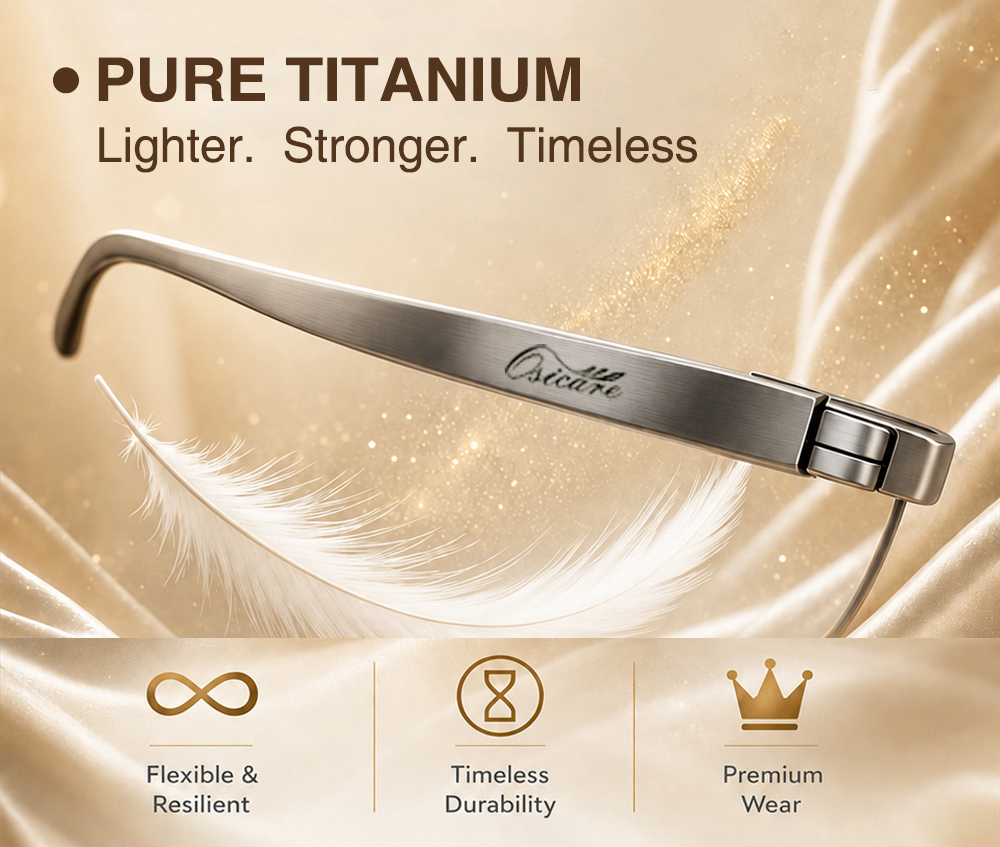
Acetate gives you colour and pattern that metal cannot, and it is where most house-brand programmes start. TR90 and Ultem are lighter and more flexible at a lower tooling cost, which suits sport, school-age and volume programmes. Titanium is bought for weight and corrosion resistance rather than appearance - it is what long-wear and clinical channels ask for.
What this article covers
- Tooling cost and how many pieces you need before each material pays back
- Colour and pattern options, and which of them survive batch-to-batch production
- Weight and comfort in the hand, with target weights per material family
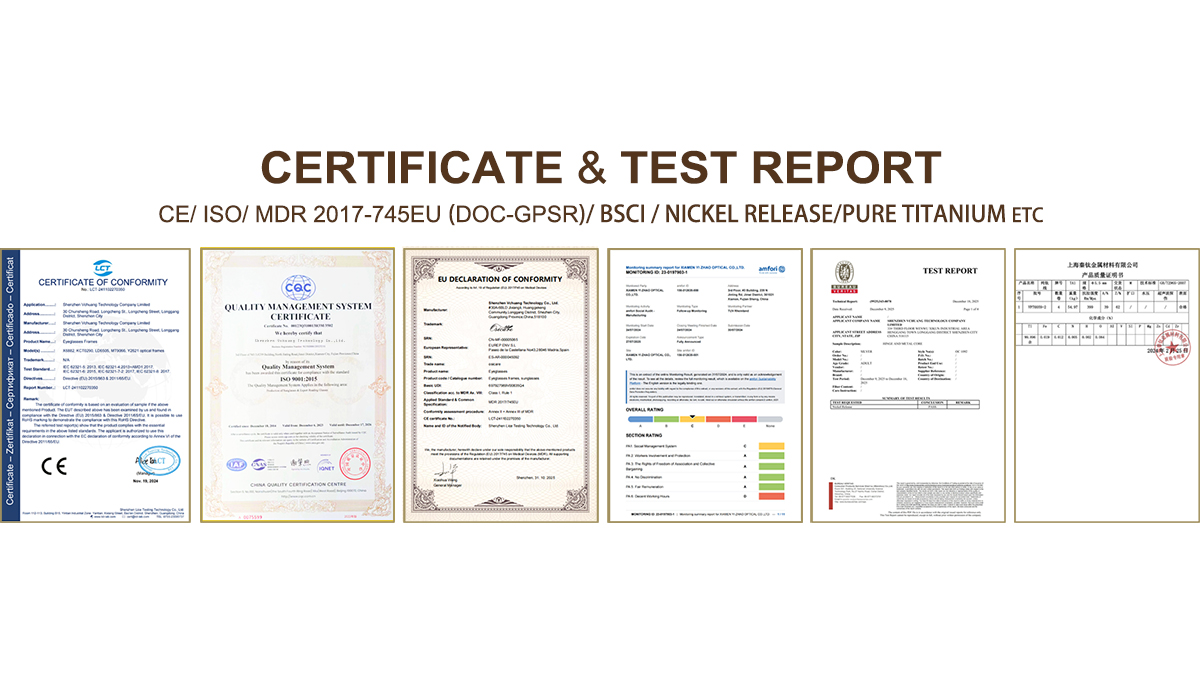
- Compliance differences: what each material means for CE, UKCA and nickel-release testing
- Where each material is the wrong answer, and what to use instead
How to use it
Bring your price point, your target weight and your volume, and the material usually chooses itself. If two materials are still in play, we will cut a sample in both and let the hand decide.
Send us your drawing, sample or mood board and we will come back with a material recommendation, tooling requirement and indicative timeline.